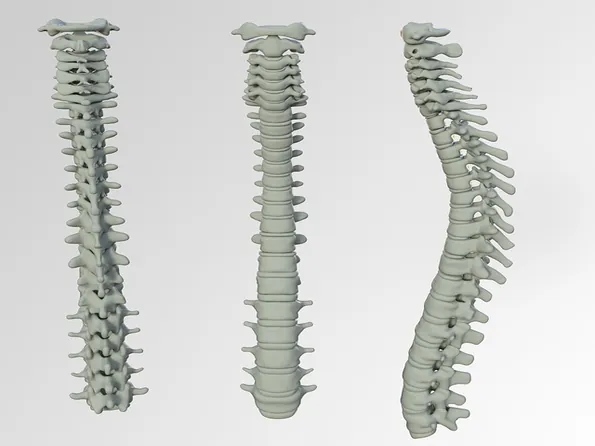
Spinal cord injury cases are categorically different from other personal injury claims — not in the legal framework that establishes liability, but in the scale and complexity of what full damages recovery requires. A complete and defensible damages case for a serious spinal cord injury involves ASIA classification by a spinal cord medicine specialist, life care planning by a certified life care planner, lifetime medical cost projection, forensic economic analysis of lost earning capacity, and a damages narrative that captures the permanent, daily consequences of the injury in a form that a jury or mediator can evaluate fairly. Carriers deploy equivalent expert resources against these claims from the moment of notice. A California spinal cord injury lawyer who matches that preparation produces outcomes that under-resourced and under-prepared claims consistently fail to reach.
Spinal cord injuries are among the most catastrophic personal injury outcomes. The Model Systems Knowledge Translation Center estimates the lifetime cost of care for a complete cervical spinal cord injury at over $5 million — a number that rises significantly when the injured person is young, when complications are factored in, and when the full economic consequences of lost earning capacity are properly calculated. Building a damages case that captures the full lifetime cost of a spinal cord injury requires expert resources, methodological discipline, and preparation that begins from the first day of the case — not after liability is established.
- The ASIA Classification — How Spinal Cord Injury Severity Is Medically Established
- Common Causes of Spinal Cord Injuries in California
- Life Care Planning — The Foundation of Full SCI Damages Recovery
- Forensic Economic Analysis — Lost Earning Capacity in SCI Cases
- Insurance Coverage and Defendant Structure in California SCI Cases
- The Carrier Defense Playbook in California SCI Cases
- Compensation Available in California Spinal Cord Injury Cases
- Why California Spinal Cord Injury Victims Choose Dhanjan Injury Lawyer
- California Spinal Cord Injury Frequently Asked Questions
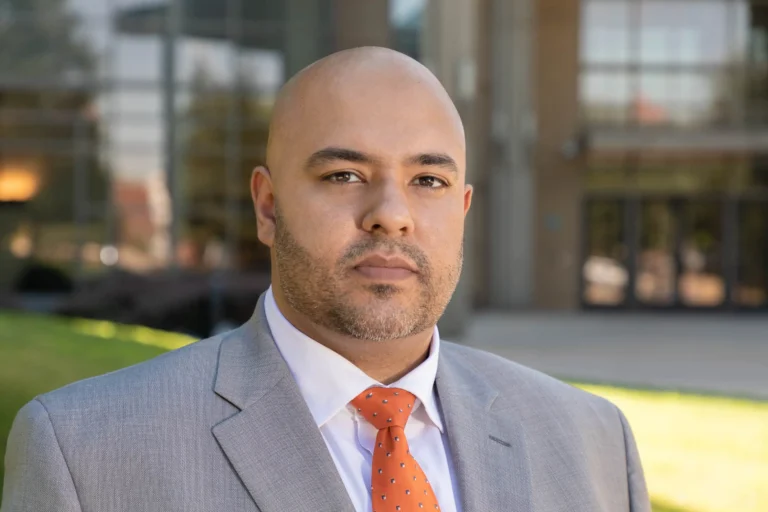
Your Attorney — Sarwinder Dhanjan
Sarwinder Dhanjan is the founding attorney of Dhanjan Injury Lawyer. He handles every case personally — you work directly with him from the first call through final resolution. Attorney Dhanjan is admitted to the State Bar of California and is active in Fresno County Superior Court.
Trusted Representation
Boutique Representation - Powerful Outcomes
The ASIA Classification — How Spinal Cord Injury Severity Is Medically Established
The American Spinal Injury Association Impairment Scale is the medically accepted standard for classifying spinal cord injury severity and is the foundation of the damages analysis in any serious SCI case. The ASIA scale classifies injuries from Grade A through Grade E based on the extent of motor and sensory function preserved below the neurological level of injury.
- ASIA Grade A — Complete injury: No motor or sensory function preserved in the sacral segments S4 through S5. Complete injuries produce the most severe functional limitations and the highest lifetime care costs.
- ASIA Grade B — Sensory incomplete: Sensory but not motor function is preserved below the neurological level, including the sacral segments. Some sensation below the injury level is present but no voluntary motor function.
- ASIA Grade C — Motor incomplete: Motor function is preserved below the neurological level, and more than half of the key muscles below the neurological level have a muscle grade less than 3. Some voluntary movement is possible but insufficient for functional use.
- ASIA Grade D — Motor incomplete: Motor function is preserved below the neurological level, and at least half of the key muscles below the neurological level have a muscle grade of 3 or greater. Functional ambulation may be possible with assistive devices.
- ASIA Grade E — Normal: Motor and sensory function are normal. Grade E classification does not mean the injury produced no consequences — neuropathic pain, autonomic dysfunction, and other SCI complications may persist even when strength and sensation testing normalizes.
The ASIA grade, the neurological level of injury, and the specific pattern of preserved and lost function drive the life care plan — the document that translates the medical classification into the specific equipment, attendant care, medical follow-up, and facility costs the injured person will require over their projected lifetime. Without a formal ASIA classification by a spinal cord medicine specialist, the life care plan cannot be properly grounded, and the damages case is vulnerable to carrier challenge at every stage.
Common Causes of Spinal Cord Injuries in California
- Motor vehicle collisions — car accidents, commercial truck collisions, and motorcycle crashes are the leading cause of traumatic spinal cord injury in California. High-force rear-end impacts, rollover crashes, and side-impact collisions produce the cervical and thoracic injury patterns most commonly associated with permanent paralysis. See our Car Accident Lawyer, Truck Accident Lawyer, and Motorcycle Accident Lawyer pages for the specific liability frameworks applicable to each collision type.
- Pedestrian and bicycle strikes — pedestrians and cyclists struck by vehicles at speed absorb the full impact force without structural protection. High-force pedestrian and bicycle collision mechanisms frequently produce cervical spine injuries with the potential for complete or near-complete cord involvement. See our Pedestrian Accident Lawyer and Bicycle Accident Lawyer pages.
- Workplace falls and construction accidents — falls from height in construction environments are a significant cause of thoracic and lumbar spinal cord injuries in the Central Valley’s active agricultural construction and warehouse sectors. Workplace SCI cases may involve both workers’ compensation claims and third-party negligence claims against contractors, property owners, and equipment manufacturers.
- Premises liability falls — slip and fall injuries on negligently maintained commercial and residential property produce a range of spinal injuries from lumbar disc injuries through thoracic fractures with cord involvement depending on fall height and mechanism.
- Diving accidents — cervical spinal cord injuries from diving into shallow water — at pools, natural bodies of water, and recreational facilities — are among the most devastating SCI mechanisms because they frequently produce complete cervical injuries in young, otherwise healthy individuals. Property owner liability and product liability against pool and facility manufacturers may apply alongside recreational use liability analysis.
- Acts of violence — gunshot wounds are a leading cause of traumatic SCI nationally, producing thoracic and lumbar injuries with a high proportion of complete injuries. These cases may involve both criminal proceedings and civil claims against perpetrators, negligent security providers, and property owners whose failure to maintain adequate security created the conditions for the attack.
Life Care Planning — The Foundation of Full SCI Damages Recovery
A life care plan is a comprehensive, evidence-based document prepared by a certified life care planner that projects the medical, rehabilitative, equipment, attendant care, and facility costs an injured person will incur over their projected lifetime as a result of the injury. In any serious spinal cord injury case, the life care plan is the most important single document in the damages case — and the most heavily attacked by carrier defense experts.
A defensible life care plan for a California spinal cord injury case requires several components. Foundation in current medical records and specialist evaluation — the plan must be grounded in the treating physicians’ current assessments, not in projections made before the injury has stabilized. ASIA classification by a spinal cord medicine specialist — the specific functional limitations documented in the ASIA evaluation drive the equipment and care requirements in the plan. California-specific cost data — attendant care rates, rehabilitation facility costs, adaptive equipment costs, and specialty medical visit costs vary significantly by region. A life care plan using national average cost data in a California case will be challenged effectively by defense experts using California-specific data. Provision for complications — spinal cord injury produces a predictable pattern of secondary complications including pressure ulcers, urinary tract infections, autonomic dysreflexia, respiratory complications, and depression that must be costed into the plan with appropriate probability weighting. Updated projections as the case develops — life care plans prepared early in recovery before medical stability may require updating as the injury’s long-term consequences become clearer.
Forensic Economic Analysis — Lost Earning Capacity in SCI Cases
For working-age spinal cord injury victims, lost earning capacity is frequently the largest single component of economic damages and requires forensic economic expert testimony to establish with the specificity required for trial or mediation. The analysis involves several components that must each be carefully documented.
Pre-injury earning capacity is established through employment records, tax returns, educational credentials, career trajectory analysis, and in some cases vocational expert testimony about the earnings the injured person was on track to achieve. For young injured persons whose careers had not yet fully developed, projecting the earnings stream they would have achieved requires vocational analysis that goes beyond their current earnings at the time of the injury. Post-injury earning capacity addresses whether and to what extent the injured person retains any capacity for gainful employment following the SCI — an analysis that requires both vocational expert input and the treating team’s assessment of the injury’s functional consequences for work activities. Present value discounting converts the stream of future lost earnings into a present lump sum that accounts for investment returns and wage growth over the projection period. The difference between a well-constructed and a poorly constructed economic analysis in a serious SCI case can be millions of dollars — and carriers deploy forensic economic experts specifically to attack the methodology of the plaintiff’s analysis.
Insurance Coverage and Defendant Structure in California SCI Cases
Serious spinal cord injury cases require a thorough coverage analysis from the outset because the lifetime damages in a complete or near-complete SCI frequently exceed the primary liability policy limits of the at-fault party. When the at-fault driver’s liability coverage is insufficient to cover the full damages — and in catastrophic SCI cases it almost always is — identifying additional sources of recovery becomes essential.
Umbrella and excess liability policies carried by the at-fault party provide coverage above the primary policy limits and must be identified and tendered early in the claims process. In commercial vehicle SCI cases — truck accidents, bus accidents, workplace vehicle collisions — the carrier’s insurance minimums are substantially higher and multiple defendant insurance programs may apply. Uninsured and underinsured motorist coverage under the injured person’s own policy provides supplemental recovery when the at-fault party’s coverage is insufficient. The California DMV’s insurance requirements establish the minimum coverage floors, but catastrophic SCI damages routinely exceed any single policy’s limits — which is why multi-defendant case construction and exhaustive coverage analysis are standard practice in these cases, not optional steps.
What We Bring to Your Case
Catastrophic injury expertise. Disciplined preparation. No fee unless we win.
The Carrier Defense Playbook in California SCI Cases
Major insurance carriers deploy specialized catastrophic injury defense teams in serious spinal cord injury cases. Understanding their tactics from the outset is essential to building a claim that withstands them.
Early settlement pressure before medical stability. Carriers make settlement offers before the injured person has reached maximum medical improvement and before the full long-term consequences of the injury are established. Settling before the injury stabilizes permanently closes a claim that may have substantially more value than the carrier’s offer reflects — future complications, additional surgeries, and evolving functional limitations that become apparent over months and years are foreclosed by an early settlement.
Life care plan attacks. Defense life care planners challenge the cost projections, necessity of recommended items, and the injury’s functional consequences at every level. A life care plan prepared by a certified, experienced planner using California-specific cost data and grounded in current specialist evaluations withstands these attacks far better than a plan prepared by a less qualified planner using generic national data.
Causation challenges. In cases where the injured person had pre-existing degenerative spine conditions — extremely common in the general population — carriers argue the neurological consequences were caused by the pre-existing condition rather than the accident. The eggshell skull doctrine under California law holds that a defendant takes their victim as they find them — a pre-existing condition that was asymptomatic before the accident does not reduce liability for the neurological consequences the accident produced. Documenting the pre-accident functional baseline and the post-accident change is the foundation of defeating causation challenges.
Surveillance and social media investigation. Defense teams conduct surveillance on seriously injured plaintiffs and mine social media for evidence of functional capabilities inconsistent with the claimed limitations. Managing this exposure — through consistent treatment compliance, consistent functional documentation by treating providers, and social media discipline — is an ongoing case management responsibility throughout the litigation.
Compensation Available in California Spinal Cord Injury Cases
- Past medical expenses — all treatment costs from the date of injury through settlement or trial, including emergency care, acute hospitalization, surgical stabilization, inpatient rehabilitation, and ongoing outpatient care
- Future medical expenses — the full lifetime cost of care as projected by the certified life care planner, including attendant care, equipment, facility costs, and medical follow-up
- Adaptive equipment and home modification — wheelchair systems, vehicle modifications, home accessibility modifications, and assistive technology required by the injury
- Lost wages — income lost from the date of injury through settlement or trial, documented by employment and earnings records
- Diminished lifetime earning capacity — the present value of the earnings the injured person would have achieved over their working life, reduced by any post-injury earning capacity, calculated by a forensic economic expert
- Physical pain and suffering — compensation for the pain of the injury, surgical recovery, rehabilitation, and the ongoing physical consequences of permanent neurological impairment
- Emotional distress and psychological injury — depression, adjustment disorder, PTSD, and other documented psychological consequences of permanent disability are significant non-economic damages requiring psychiatric and psychological expert documentation
- Loss of enjoyment of life — the permanent foreclosure of physical activities, career aspirations, and life experiences the injured person would have had but for the injury
- Punitive damages — available in cases involving DUI drivers, extreme recklessness, and intentional conduct under California Civil Code section 3294
Why California Spinal Cord Injury Victims Choose Dhanjan Injury Lawyer
We build the full damages case from the first day. Life care planning, forensic economic analysis, and specialist expert retention begin at case intake — not after liability is established. The carriers’ expert teams are working from day one. Ours are too.
We do not accept early settlements before medical stability. The most damaging mistake in a serious SCI case is settling before the injury has stabilized and the full lifetime consequences are documented. We do not engage in substantive settlement discussions until the life care plan is complete and the economic analysis is finalized.
We know the causation defense and how to defeat it. Pre-existing degenerative conditions are used aggressively in SCI cases to attack causation. The eggshell skull doctrine and disciplined documentation of the pre-accident functional baseline are the tools we use to defeat this defense at deposition and at trial.
Direct attorney access throughout your case. You work directly with your California spinal cord injury lawyer from the first consultation through final resolution — not a case manager for substantive communications about your claim.
No fee unless we recover for you. We handle spinal cord injury cases on a contingency fee basis. No upfront costs, no attorney fees unless we win.
Speak with an Attorney and understand your next steps
Need a California Spinal Cord Injury Lawyer?
California Spinal Cord Injury Frequently Asked Questions
What is the ASIA scale and why does it matter to my case?
The American Spinal Injury Association Impairment Scale is the medically accepted standard for classifying spinal cord injury severity. It grades injuries from A (complete — no motor or sensory function below the injury level) through E (normal function). The ASIA grade drives the life care plan — the document that projects the equipment, attendant care, medical follow-up, and facility costs you will need over your lifetime. Without a formal ASIA classification by a spinal cord medicine specialist, the life care plan cannot be properly grounded and the damages case is vulnerable to carrier challenge at every stage of the litigation.
What is a life care plan and do I need one?
A life care plan is a comprehensive, evidence-based document prepared by a certified life care planner that projects the full lifetime costs of care for a serious injury. In any spinal cord injury case involving permanent neurological impairment, a life care plan is essential — not optional. The plan translates the medical classification and functional limitations into specific costs for equipment, attendant care, medical visits, rehabilitation, and facility needs over the injured person’s projected lifetime. Without a defensible life care plan, the largest components of economic damages cannot be established with the specificity required for trial or meaningful settlement negotiation.
What if I had a pre-existing back or spine condition before the accident?
A pre-existing degenerative spine condition does not reduce the defendant’s liability for the neurological consequences the accident produced. California law follows the eggshell skull doctrine — a defendant takes their victim as they find them. If the accident aggravated a pre-existing condition and produced neurological symptoms that were not present before the accident, the defendant is liable for those symptoms regardless of the pre-existing condition. Carriers will use the pre-existing condition aggressively to challenge causation, which is why documenting your pre-accident functional baseline — through prior medical records, employment records, and witness testimony about your pre-accident activity level — is one of the most important early tasks in any SCI case involving pre-existing spine pathology.
How long do I have to file a spinal cord injury claim in California?
Most California personal injury claims, including spinal cord injury claims, must be filed within two years of the date of the injury under Code of Civil Procedure section 335.1. If a government entity was involved — a public vehicle, a road defect, or a public facility — a formal government tort claim must be filed within six months under Government Code section 835. The practical deadline for evidence preservation is far shorter than either statute — electronic data, surveillance footage, and vehicle inspection records all close within days of the accident. Contact a spinal cord injury attorney immediately after any catastrophic injury.
What is the difference between a complete and incomplete spinal cord injury?
A complete spinal cord injury under the ASIA classification means no motor or sensory function is preserved below the neurological level of injury in the sacral segments. An incomplete injury means some motor or sensory function is preserved below the injury level. Incomplete injuries vary widely in their functional consequences depending on the specific injury pattern — some incomplete injuries produce near-complete paralysis while others allow functional ambulation with assistive devices. The distinction between complete and incomplete injuries is medically significant and must be formally established by a spinal cord medicine specialist, not inferred from emergency imaging alone.
Can I recover damages if I am partially at fault for the accident that caused my spinal cord injury?
Yes. California’s pure comparative fault system allows recovery even when the injured person bears partial responsibility for the accident. Your recovery is reduced proportionally to your assigned fault percentage — a finding of 20 percent fault reduces recovery by 20 percent. In catastrophic injury cases, carriers are highly motivated to inflate the injured person’s fault percentage because even a small percentage reduction represents a very large dollar amount on the high damages totals involved in SCI cases. Objective liability evidence preserved from the outset of the case is the primary defense against unfair fault inflation.
How long does a spinal cord injury case take to resolve in California?
Serious spinal cord injury cases typically take longer to resolve than standard personal injury claims because the damages case requires medical stability, life care plan completion, and forensic economic analysis before settlement discussions can be meaningful. Cases that settle before medical stability produce permanently inadequate recoveries. In practice, serious SCI cases with disputed liability or uncooperative carriers frequently require two to four years to resolve properly — either through litigation or through mediation after the full damages case is developed. The timeline is driven by what a full and fair recovery requires, not by pressure to close the file quickly.
What ongoing costs does a spinal cord injury produce that I should be accounting for?
Lifetime SCI costs include attendant care for activities of daily living, adaptive wheelchair systems and replacement cycles, vehicle modifications, home accessibility modifications, annual specialist follow-up visits, management of secondary complications including pressure ulcer treatment, urinary tract infection management, and autonomic dysreflexia monitoring, respiratory care for high cervical injuries, psychological treatment for depression and adjustment disorder, and in serious cases inpatient acute care for complication management. The Model Systems Knowledge Translation Center estimates complete cervical SCI lifetime costs at over $5 million — a figure that rises with younger age at injury, with inflation, and with complications. A properly constructed life care plan captures all of these cost categories with California-specific pricing.