
“No fee unless we win” is one of the most widely used phrases in personal injury law — and one of the least explained. Most people understand the basic concept: the attorney does not get paid if you do not recover money. What most people do not fully understand is exactly what that means for how much they actually receive after the case resolves.
- What a Contingency Fee Is
- What Percentage Does the Attorney Take?
- What Are Case Costs — And Who Pays Them?
- A Concrete Example
- What "We Win" Actually Means
- Why the Contingency Fee Structure Aligns Interests
- What to Ask Before Signing a Contingency Fee Agreement in California
- How the Contingency Fee Structure Applies to Your Specific Case
- Case Costs and Contingency Fees — What Fresno Clients Need to Know
- Common Questions About Contingency Fees
This post explains the contingency fee structure in California personal injury cases accurately and completely — including the parts that some firms are less eager to explain upfront.
What a Contingency Fee Is
A contingency fee is a legal fee that is contingent on the outcome of the case. If there is no recovery — no settlement, no verdict — the attorney collects no fee. If there is a recovery, the attorney’s fee is a percentage of that recovery, collected at the time of resolution.
Under California Business and Professions Code section 6147, every contingency fee agreement in a personal injury case must be in writing and signed by both the attorney and the client before any work begins. The written agreement must specify the contingency fee percentage and explain how case costs are handled. If your attorney does not provide a written fee agreement, that is a problem — and a violation of California law.
What Percentage Does the Attorney Take?
The standard pre-litigation contingency fee in California personal injury cases is one-third (33.33%) of the gross recovery — the total amount received before deducting case costs. Some firms charge 33% pre-litigation and 40% if the case goes to trial or if a lawsuit is filed.
These percentages are not regulated — they are negotiable and market-based. What matters is that the percentage is disclosed clearly in writing before you sign anything. There is no standard fee mandated by California law for most personal injury cases (medical malpractice cases have statutory fee caps, but standard negligence cases do not).
At Dhanjan Injury Lawyer, the contingency fee percentage is disclosed in writing at the outset of every case. We walk through the fee agreement with every client before signing — in English, Spanish, Punjabi, or Hindi — so there are no surprises when the case resolves.
What Are Case Costs — And Who Pays Them?
This is the part of the contingency fee arrangement that surprises many clients. Attorney fees and case costs are separate.
Case costs are the expenses incurred in pursuing the case: court filing fees, deposition transcripts, expert witness fees, medical record retrieval costs, accident reconstruction fees, and similar out-of-pocket expenses. These costs can range from a few hundred dollars in a straightforward case to tens of thousands of dollars in a case requiring multiple expert witnesses and extensive discovery.
In most California personal injury contingency arrangements, the attorney advances case costs and is reimbursed from the settlement or verdict at resolution — after the attorney fee is calculated but before the client receives the net recovery. This means:
- You do not pay case costs out of pocket while the case is pending
- Case costs are deducted from your net recovery at resolution
- The total deducted from your recovery is the attorney fee percentage plus case costs
Some fee agreements calculate the attorney fee on the gross recovery before deducting costs, others on the net after deducting costs. The difference can be meaningful in high-cost cases. Ask your attorney which method their agreement uses and have them show you an example calculation.
A Concrete Example
Here is what the math looks like on a $100,000 settlement with a 33% contingency fee and $5,000 in case costs, with the attorney fee calculated on gross recovery:
- Gross settlement: $100,000
- Attorney fee (33%): $33,000
- Case costs: $5,000
- Any medical liens or health insurance repayment: varies
- Net to client (before medical liens): approximately $62,000
Medical liens are a separate issue — if your health insurance or a government program paid medical bills related to the injury, they may have a right to repayment from your settlement. Your attorney is responsible for identifying, negotiating, and resolving any liens before distributing your net recovery. Ask about lien resolution early in the case, not at settlement.
What “We Win” Actually Means
The phrase “no fee unless we win” means no fee unless money is recovered for you. If the case is dismissed, goes to trial and results in a defense verdict, or is abandoned, no attorney fee is owed. However, depending on the fee agreement, you may still owe reimbursement for case costs that were advanced by the attorney even if no recovery is made. Read your fee agreement carefully on this point.
At Dhanjan Injury Lawyer, if we do not recover money for you, you owe us nothing — including case costs. This is a client-protective provision that not all firms offer. Confirm the specific terms of any fee agreement before signing.
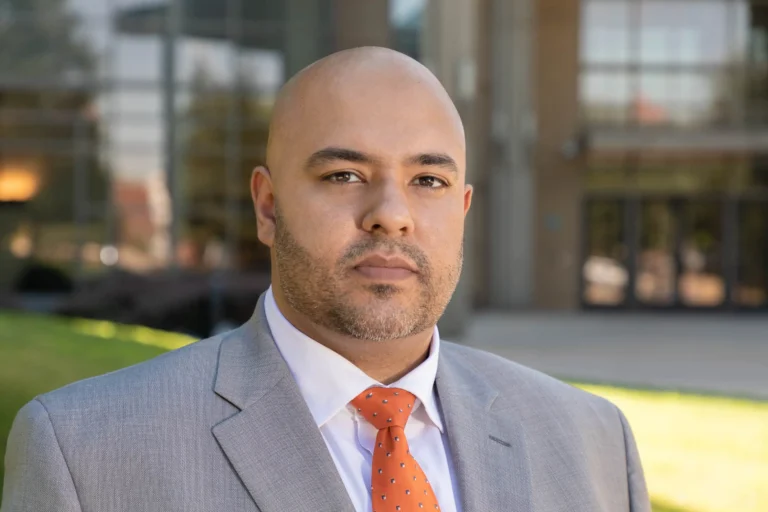
Your Attorney — Sarwinder Dhanjan
Sarwinder Dhanjan is the founding attorney of Dhanjan Injury Lawyer. He handles every case personally — you work directly with him from the first call through final resolution. Attorney Dhanjan is admitted to the State Bar of California and is active in Fresno County Superior Court.
Why the Contingency Fee Structure Aligns Interests
The contingency fee arrangement is designed to give injury victims access to legal representation regardless of their financial situation. You do not need money to hire a personal injury lawyer. You need a strong case — the attorney bears the financial risk of an unsuccessful case in exchange for a share of the successful one.
This also means the attorney’s financial interest is aligned with yours: the more money the attorney recovers for you, the more money the attorney earns. An attorney who accepts your case on contingency and then undervalues it to achieve a quick settlement is not acting in your interest or their own. Maximum recovery requires accurate valuation and adequate preparation — which is why genuine contingency fee representation should come with genuine case preparation.
What to Ask Before Signing a Contingency Fee Agreement in California
- What is the exact fee percentage, and does it change if a lawsuit is filed or the case goes to trial?
- Is the fee calculated on gross recovery or net after case costs?
- Who is responsible for case costs if the case is unsuccessful?
- Are there any circumstances under which I would owe anything even if there is no recovery?
- Who handles lien resolution, and will that be explained to me in detail at settlement?
How the Contingency Fee Structure Applies to Your Specific Case
Every personal injury case at Dhanjan Injury Lawyer is handled on a full contingency fee basis. No upfront payment. No hourly billing. No retainer. Our fee is a percentage of what we recover — collected at the time the case resolves, from the recovery itself. If we do not win your case, you owe us nothing, including case costs we have advanced on your behalf.
The written fee agreement we provide at the outset of every case specifies the exact percentage, how case costs are handled, and the conditions under which the fee is earned. We walk through this agreement in detail — in English, Spanish, Punjabi, or Hindi — before signing. The agreement is in plain language. There are no hidden provisions. We do not provide optimistic projections to encourage you to sign — we provide the actual terms so you can make an informed decision.
The contingency fee structure means our financial interest is aligned with yours. The more we recover, the more we earn. An attorney who accepts your case on contingency and then undervalues it to achieve a quick settlement is not acting in their own financial interest any more than yours. Genuine contingency representation comes with genuine preparation. For our track record, see our case results page. For a free case evaluation, call (559) 342-2000.
Case Costs and Contingency Fees — What Fresno Clients Need to Know
The contingency fee percentage and case costs are separate items in every fee agreement. The fee percentage — typically 33% pre-litigation in California personal injury cases — applies to the gross recovery. Case costs are the out-of-pocket expenses incurred in pursuing the case: court filing fees, expert witness fees, deposition transcripts, medical record retrieval, accident reconstruction, and similar items. These costs are advanced by the firm and recovered from the settlement at resolution.
In a case with $5,000 in case costs and a 33% contingency fee on a $100,000 settlement, the math is: $33,000 attorney fee + $5,000 case costs = $38,000 deducted from the recovery, leaving approximately $62,000 before any medical liens. The exact calculation depends on whether the fee applies to gross recovery before or after case costs — your written agreement will specify this. We walk through this calculation with every client at the outset of representation so there are no surprises at settlement.
At Dhanjan Injury Lawyer, if we do not recover money for you, you owe us nothing — including case costs we have advanced. Not all firms offer this. Confirm the specific terms of any fee agreement before signing. For a free case evaluation to understand how these terms would apply to your specific case in Fresno or the Central Valley, call (559) 342-2000.
Talk to Attorney Sarwinder Dhanjan Today
Free case evaluation. No fee unless we win.
Common Questions About Contingency Fees
Is 33% a reasonable contingency fee in California?
Yes, 33% (one-third) is the standard pre-litigation contingency fee in California personal injury cases. It is not the maximum or minimum — it is simply the market standard. Some firms charge more, some charge less. What matters is that it is disclosed clearly in writing before you sign.
Can I negotiate the contingency fee percentage?
In California, contingency fees are negotiable. Whether a specific firm will negotiate depends on the firm and the case. High-value, clear-liability cases with documented serious injuries may attract lower percentage offers from competing firms. Ask before you sign.
What happens to the fee if I fire my attorney mid-case?
In California, a discharged attorney generally retains the right to be compensated for the reasonable value of services performed (quantum meruit) or a proportional share of the contingency fee, depending on the circumstances. The specific terms are in the written fee agreement and California case law. Consult with a new attorney before discharging your current one to understand the financial implications.
Do I pay taxes on a personal injury settlement?
Generally, personal injury settlements for physical injury or physical sickness are excluded from gross income under IRC Section 104 and are not taxable. Punitive damages and damages for emotional distress not attributable to physical injury may be taxable. Consult a tax professional for your specific circumstances.
If you have questions about how a contingency fee arrangement would apply to your specific case in Fresno or the Central Valley, contact Dhanjan Injury Lawyer at (559) 342-2000 for a direct conversation with Attorney Dhanjan. For more context on how cases are valued, see our posts on how much someone can sue for a car accident in California and how much a car accident settlement is worth in Fresno.