
Road rage is one of the most dangerous and legally misunderstood problems on California roads. What begins as frustration behind the wheel can escalate within seconds into a criminal incident carrying felony charges, license suspension, and civil liability for serious injuries.
- Does California Have a Specific Road Rage Law?
- What Qualifies as Road Rage in California?
- Criminal Charges That Apply to Road Rage in California
- License Suspension for Road Rage — Vehicle Code 13210
- Civil Liability for Road Rage Victims in California
- How Comparative Negligence Applies to Road Rage Cases
- Road Rage on Fresno Roads and Highways
- What to Do If You Are a Road Rage Victim in California
- What to Do If You Are Accused of Road Rage in California
- Frequently Asked Questions — Road Rage Laws in California
California is one of the few states that specifically addresses road rage in its vehicle code. Understanding what the law covers, what charges apply, and what your rights are as a victim is essential for every driver in the state.
Does California Have a Specific Road Rage Law?
California does not define road rage as a standalone criminal offense — there is no single statute called “road rage.” However, California Vehicle Code Section 13210 specifically references road rage by name and authorizes courts to suspend a driver’s license for conduct that qualifies as road rage assault.
Beyond VCC 13210, road rage behavior is prosecuted under a range of existing criminal statutes depending on what the driver actually did. The charges can range from a misdemeanor for reckless driving all the way to a felony for assault with a deadly weapon — with the vehicle itself serving as the weapon.
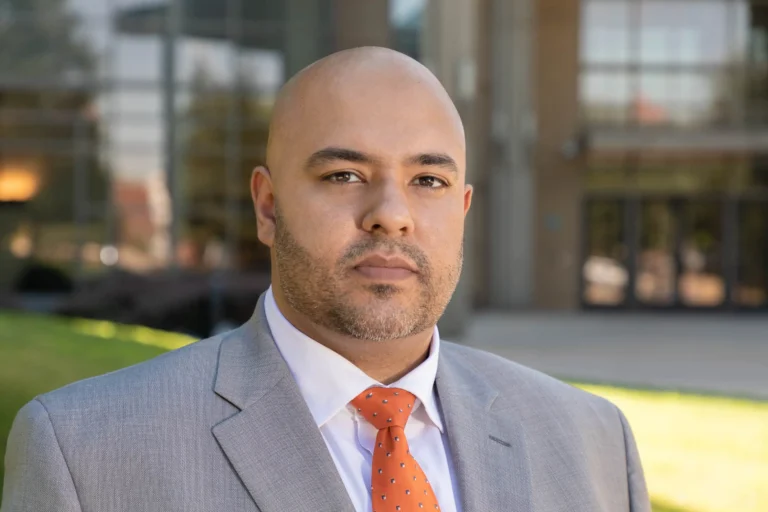
Your Attorney — Sarwinder Dhanjan
Sarwinder Dhanjan is the founding attorney of Dhanjan Injury Lawyer. He handles every case personally — you work directly with him from the first call through final resolution. Attorney Dhanjan is admitted to the State Bar of California and is active in Fresno County Superior Court.
What Qualifies as Road Rage in California?
Road rage encompasses deliberate, aggressive driving behavior intended to intimidate, threaten, or harm another driver, cyclist, or pedestrian. Common behaviors that lead to road rage charges in California include:
- Tailgating at unsafe distances to intimidate another driver
- Cutting off another vehicle deliberately and abruptly
- Brake-checking — slowing suddenly to force the driver behind to brake hard
- Blocking another vehicle from changing lanes or exiting
- Chasing another vehicle on a highway or surface street
- Verbal threats, gestures, or screaming at other drivers
- Getting out of the vehicle to confront another driver physically
- Using the vehicle to ram, sideswipe, or force another vehicle off the road
- Brandishing or displaying a weapon during a traffic confrontation
The key legal distinction is intent. Ordinary negligent driving — running a red light, drifting into another lane — is not road rage. Road rage involves deliberate, willful conduct directed at another person out of anger or hostility.
Criminal Charges That Apply to Road Rage in California
Depending on how the incident unfolds, a road rage perpetrator in California can face any of the following criminal charges.
Reckless Driving — Vehicle Code 23103
Reckless driving is the most common road rage charge. It applies when a driver operates a vehicle with willful or wanton disregard for the safety of persons or property. Road rage behaviors — tailgating, aggressive weaving, deliberate brake-checking — qualify as reckless driving.
Reckless driving is a misdemeanor. Penalties include up to 90 days in county jail, fines up to $1,000, points on the driving record, and potential vehicle impoundment. If the reckless driving caused bodily injury, the penalties increase under Vehicle Code 23104.
Assault — Penal Code 240
Assault is an unlawful attempt, coupled with the present ability, to commit a violent injury on another person. A driver who threatens to run another vehicle off the road or aggressively charges toward a pedestrian can be charged with assault even if no physical contact occurs.
Misdemeanor assault carries up to six months in county jail, fines, probation, and mandatory anger management classes.
Assault with a Deadly Weapon — Penal Code 245(a)(1)
This is the most serious road rage charge and the one most often applied when a vehicle is used as a weapon. When a driver deliberately uses their car to ram, chase, or endanger another person, the vehicle is classified as a deadly weapon under California law.
Assault with a deadly weapon (ADW) is a wobbler — it can be charged as either a misdemeanor or a felony depending on the circumstances and injuries involved. Felony ADW carries up to four years in state prison and fines up to $10,000. A felony conviction also counts as a strike under California’s Three Strikes Law.
Battery — Penal Code 242
Battery is the unlawful use of force or violence against another person. When a road rage incident escalates to a physical confrontation — a driver gets out and strikes another driver — battery charges apply. The victim does not need to suffer an injury for a battery charge to stand.
Misdemeanor battery penalties are similar to assault. If the battery results in serious bodily injury, the charge becomes felony battery with significantly higher penalties.
Criminal Threats — Penal Code 422
Threatening another driver with death or serious bodily injury — verbally, in writing, or electronically — with the intent to place that person in sustained fear is a criminal threat under Penal Code 422. This charge applies even when no physical act follows the threat.
Criminal threats can be charged as a misdemeanor or felony and carries up to three years in state prison as a felony.
Brandishing a Firearm — Penal Code 417
Drawing or displaying a firearm in an angry, rude, or threatening manner during a road rage incident is a separate criminal offense. Brandishing a firearm can be charged as a misdemeanor or felony and carries up to one year in county jail as a misdemeanor or up to three years in state prison as a felony.
Vandalism — Penal Code 594
When road rage results in property damage — a driver gets out and keys another car, smashes a window, or deliberately damages the vehicle — vandalism charges apply. If the damage is under $400, it is a misdemeanor carrying up to six months in jail. If the damage exceeds $400, it is a felony carrying up to three years in state prison.
Request a Free Consultation Today
Speak with an Attorney and understand your next steps
License Suspension for Road Rage — Vehicle Code 13210
California Vehicle Code Section 13210 specifically authorizes courts to suspend a driver’s license for road rage assault. The suspension periods are:
- First offense: Six months license suspension
- Second or subsequent offense: One year license suspension
The suspension can begin either on the date of conviction or upon release from confinement, at the court’s discretion. Courts may also order the driver to complete a court-approved anger management or road rage program as part of sentencing — in addition to or instead of the suspension.
Importantly, the DMV has independent authority to suspend or revoke driving privileges separate from the criminal court. Even if criminal charges are reduced or dismissed, the DMV can still take administrative action based on the driving record and conduct involved.
If you receive notice of a DMV suspension, you have the right to request an administrative hearing — but you must act quickly, typically within 10 days of receiving the notice. That hearing is your opportunity to challenge the suspension and present evidence.
Civil Liability for Road Rage Victims in California
If you were injured in a road rage incident — whether as a driver, passenger, pedestrian, or cyclist — you have the right to pursue civil compensation separate from any criminal proceedings against the perpetrator.
A road rage perpetrator who causes injury is liable for the same categories of damages as any other negligent driver in a California personal injury claim: medical expenses past and future, lost wages and reduced earning capacity, property damage, physical pain and suffering, and emotional distress.
What makes road rage cases distinct from ordinary car accident claims is the potential for punitive damages. When a defendant’s conduct was intentional, malicious, or carried out with conscious disregard for the safety of others — which road rage often is — California courts can award punitive damages on top of compensatory damages. Punitive damages are designed to punish the defendant and deter similar conduct, and they can substantially increase the total recovery.
Road rage cases also frequently involve car accident, motorcycle accident, and pedestrian accident claims depending on how the incident unfolded. Each of these claim types involves its own liability and damages analysis.
How Comparative Negligence Applies to Road Rage Cases
California follows pure comparative negligence, which means fault can be divided between parties even in road rage cases. An insurance company defending a road rage perpetrator may argue that the victim provoked the incident — by cutting the other driver off, making a gesture, or engaging in the confrontation.
Understanding how California apportions fault between parties is important for any road rage victim. Our post on California’s comparative negligence law explains exactly how fault percentages are calculated and how insurance companies use this doctrine to reduce payouts.
Road Rage on Fresno Roads and Highways
In Fresno and throughout the Central Valley, road rage incidents are particularly common on Highway 99, Highway 41, Blackstone Avenue, and Shaw Avenue — corridors where heavy traffic, merging patterns, and frustration converge. Many of the city’s most dangerous intersections are also frequent locations for aggressive driving confrontations. Our post on dangerous intersections in Fresno covers the highest-risk locations in detail.
If you were injured in a road rage incident in Fresno — whether as a driver, motorcyclist, pedestrian, or cyclist — our Fresno injury lawyers handle these cases with the same trial-ready preparation we bring to every personal injury claim. Road rage cases often involve both criminal proceedings and civil claims running simultaneously, and navigating both requires experienced legal representation.
What to Do If You Are a Road Rage Victim in California
If another driver’s aggressive behavior injured you or damaged your property, take the following steps:
- Call 911 immediately — road rage incidents that involve threats, physical contact, or weapon display are criminal matters requiring a police response
- Do not engage or retaliate — disengage from the confrontation and create distance if possible
- Document everything — dashcam footage, photos of damage, witness contact information, and the other driver’s license plate
- Seek medical treatment immediately even if you feel uninjured — adrenaline masks pain and delayed symptoms are common after traumatic incidents
- Do not give a recorded statement to the other driver’s insurance company before consulting an attorney
- Contact a personal injury attorney to understand your civil options alongside any criminal proceedings
Time matters. California’s statute of limitations for personal injury claims is two years from the date of the incident. For a full breakdown of these deadlines read our post on the personal injury statute of limitations in California. Once you have retained an attorney, our post on the personal injury claim settlement process walks through every stage of what happens next.
What to Do If You Are Accused of Road Rage in California
If you are facing road rage charges — whether criminal charges, a DMV suspension notice, or a civil lawsuit from an injured party — act immediately. The 10-day window to request a DMV administrative hearing is strict. Criminal charges ranging from misdemeanor reckless driving to felony assault with a deadly weapon carry consequences that affect your record, your license, your insurance, and your freedom.
Do not discuss the incident with anyone — including the other driver, their insurance company, or law enforcement — without consulting a defense attorney first.
Frequently Asked Questions — Road Rage Laws in California
Is road rage a felony in California?
It can be. Road rage that involves using a vehicle as a weapon, causing serious bodily injury, or brandishing a firearm can be charged as a felony. The most serious charge is assault with a deadly weapon under Penal Code 245(a)(1), which carries up to four years in state prison and counts as a strike under California’s Three Strikes Law. Less serious road rage conduct is typically charged as a misdemeanor.
Can I sue someone for road rage in California?
Yes. If a road rage perpetrator injured you or damaged your property, you can file a civil personal injury lawsuit independent of any criminal case against them. You may be entitled to compensation for medical expenses, lost wages, pain and suffering, property damage, and potentially punitive damages if the conduct was intentional or malicious.
How long does a road rage license suspension last in California?
Under Vehicle Code 13210, a first road rage offense carries a six-month license suspension. A second or subsequent offense carries a one-year suspension. The DMV can also independently suspend your license separate from any court-ordered suspension.
What evidence do I need for a road rage civil claim?
The strongest evidence in a road rage civil claim includes dashcam footage, surveillance camera footage, witness statements, police reports documenting the incident, photographs of vehicle damage and injuries, and medical records linking your injuries to the incident. An attorney can help preserve and organize this evidence before it disappears.
Does road rage affect my car insurance in California?
Yes. A road rage conviction — especially for reckless driving or assault — will result in points on your driving record and can significantly increase your insurance premiums. A felony conviction may make you uninsurable through standard carriers entirely.
Request a Free Consultation Today
Speak with an Attorney and understand your next steps