
When most people think about compensation after an accident, they focus on medical bills and lost wages — the costs they can see on paper. But California law recognizes that an injury causes far more than financial losses. The physical pain, emotional distress, and life disruption that follow a serious accident are just as real and just as compensable.
- What Are Pain and Suffering Damages Under California Law?
- How Pain and Suffering Is Calculated in California
- Factors That Increase Pain and Suffering Damages in California
- What Evidence Supports a Pain and Suffering Claim
- Caps and Limitations on Pain and Suffering in California
- How Comparative Negligence Affects Pain and Suffering Recovery
- Pain and Suffering Across Different California Injury Types
- Why an Attorney Makes a Significant Difference in Pain and Suffering Recovery
- Frequently Asked Questions — Pain and Suffering Damages in California
Pain and suffering damages are often the largest single component of a California personal injury settlement — and they are also the category that insurance companies work hardest to minimize. Understanding how these damages work, how they are calculated, and what factors affect their value gives you a significant advantage in any negotiation.
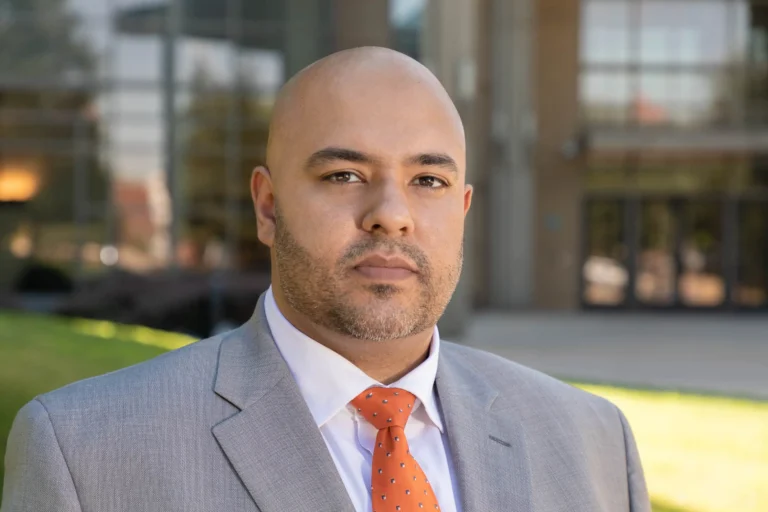
Your Attorney — Sarwinder Dhanjan
Sarwinder Dhanjan is the founding attorney of Dhanjan Injury Lawyer. He handles every case personally — you work directly with him from the first call through final resolution. Attorney Dhanjan is admitted to the State Bar of California and is active in Fresno County Superior Court.
What Are Pain and Suffering Damages Under California Law?
California law divides personal injury damages into two categories: economic and non-economic.
Economic damages are the quantifiable financial losses an injury causes — medical expenses, lost wages, lost earning capacity, and property damage. These are calculated from bills, pay stubs, and financial records.
Non-economic damages compensate for the human impact of an injury — the harms that do not come with a receipt. Pain and suffering falls into this category, and under California Civil Code Section 1431.2, non-economic damages in most personal injury cases are not subject to a cap. There is no legal ceiling on what a jury can award.
Pain and suffering as a legal category covers two distinct types of harm:
Physical pain and limitations. The actual physical discomfort caused by the injury — acute pain during and after the accident, pain during medical treatment and rehabilitation, chronic pain that persists long-term, and any permanent physical limitations that affect your ability to work, exercise, sleep, or perform daily activities.
Emotional and psychological suffering. The mental and emotional toll of the injury — anxiety, depression, post-traumatic stress disorder (PTSD), sleep disruption, loss of enjoyment of activities you previously participated in, damage to personal relationships, and loss of consortium for a spouse or partner.
Both categories are recoverable in a California personal injury claim, and both require evidence to establish and maximize.
How Pain and Suffering Is Calculated in California
California does not use a fixed formula for calculating pain and suffering damages. There is no statute that says a broken arm equals a specific dollar amount. Instead, courts, juries, and insurance companies use established methods to arrive at a figure — and your attorney’s ability to advocate for the higher end of the range is what determines how much you actually recover.
The Multiplier Method
The multiplier method is the most commonly used approach in California personal injury cases. It works as follows:
First, calculate your total economic damages — all medical expenses, lost wages, and other quantifiable financial losses. Then multiply that total by a factor that reflects the severity of your pain and suffering.
The multiplier typically ranges from 1.5 to 5 for most cases, though severe or catastrophic injuries can justify multipliers higher than 5. A minor injury with a short recovery might use a multiplier of 1.5. A serious injury with permanent consequences — spinal cord damage, traumatic brain injury, permanent disfigurement — can justify a multiplier of 4 or 5 or higher.
For example: if your economic damages total $80,000 and your injuries caused significant long-term pain with a multiplier of 3.5, the pain and suffering calculation produces $280,000, for a total claim value of $360,000.
Insurance companies always argue for lower multipliers. An experienced attorney argues for higher ones — backed by medical evidence, expert testimony, and documentation of how the injury has affected your daily life.
The Per Diem Method
The per diem method assigns a daily dollar value to your pain and suffering and multiplies it by the number of days you have experienced — and are expected to experience — pain and limitations.
The daily rate is typically argued as equivalent to your daily wage or another reasonable figure. For example, if your attorney argues a daily rate of $200 and you are expected to experience symptoms for 365 days, the per diem calculation produces $73,000 in pain and suffering.
This method is particularly effective for injuries with a defined and foreseeable recovery timeline. It is also persuasive with juries because it frames the damages in concrete, relatable terms — a specific daily cost for a specific period of suffering.
The Comparable Case Method
Attorneys and insurance companies also look at verdicts and settlements in comparable cases — similar injuries, similar demographics, similar jurisdictions — to benchmark what a reasonable pain and suffering award looks like for a given type of claim. This method informs the negotiation range even when the multiplier or per diem method produces the primary figure.
Request a Free Consultation Today
Speak with an Attorney and understand your next steps
Factors That Increase Pain and Suffering Damages in California
Within the framework of these calculation methods, several specific factors push pain and suffering awards higher. Understanding what drives value in this category helps you and your attorney build the strongest possible case.
Severity and permanence of the injury. Injuries that cause permanent limitations — paralysis, loss of a limb, chronic pain syndrome, permanent cognitive impairment — justify the highest multipliers. The longer the pain persists and the more it affects your life, the greater the non-economic damages.
Consistency of medical treatment. A continuous, well-documented treatment record demonstrates that your injuries were serious enough to require ongoing care. Gaps in treatment give insurance adjusters ammunition to argue that your pain resolved earlier than claimed.
Impact on daily life and activities. If your injury prevents you from working, exercising, caring for your family, engaging in hobbies, or performing basic daily functions, each of those losses contributes to non-economic damages. Documenting these changes — through your own testimony, family and coworker accounts, and before-and-after evidence — is critical.
Psychological documentation. A formal diagnosis of PTSD, anxiety disorder, depression, or other psychological conditions caused by the accident strengthens the emotional suffering component of your claim substantially. Therapy records and mental health provider testimony carry significant weight.
Visible and disfiguring injuries. Burns, scarring, and permanent disfigurement are among the most compelling pain and suffering claims because their impact is immediately visible and permanent.
Defendant’s conduct. When the defendant’s behavior was particularly egregious — drunk driving, road rage, deliberate disregard for safety — that context supports higher pain and suffering awards and potentially opens the door to punitive damages. Cases involving drunk driving accidents and wrongful death claims frequently involve the most substantial non-economic damage awards.
What Evidence Supports a Pain and Suffering Claim
Because pain and suffering are invisible — they do not appear on an X-ray or an invoice — the evidence you gather to document them directly affects the value of your claim. The most effective types of evidence include:
Medical records. Every visit, every diagnosis, every treatment note, every specialist referral. The more thoroughly your medical record documents pain levels, functional limitations, and the trajectory of your recovery, the stronger your case.
A pain journal. A daily log of your pain levels, sleep quality, activities you could not perform, and how the injury affected your mood and relationships. Short, dated entries written contemporaneously are far more credible than recollections made months later. Start one immediately after your accident.
Photographs and video. Visual documentation of visible injuries, surgical scars, assistive devices, and evidence of your reduced activity level — activities you participated in before the accident compared to your current limitations.
Expert testimony. Medical experts who can explain the nature of your injuries, the pain associated with specific conditions, and the long-term prognosis. Psychological experts who can testify about the emotional and cognitive impact. Vocational experts who can explain how the injury affects your ability to work.
Lay witness testimony. Family members, friends, coworkers, and employers who knew you before the accident and can speak to the observable changes in your physical capacity, energy, mood, and ability to participate in daily life.
Caps and Limitations on Pain and Suffering in California
While California imposes no cap on pain and suffering damages in most personal injury cases, two important exceptions apply.
Medical malpractice. Under California’s Medical Injury Compensation Reform Act (MICRA), pain and suffering damages in medical malpractice cases are capped. For claims filed in 2023, the cap is $350,000 for non-death cases and $500,000 for wrongful death cases. These caps increase by $40,000 and $50,000 respectively each year until they reach $750,000 and $1,000,000. If your injury resulted from medical negligence, this cap significantly affects the maximum non-economic recovery available.
Uninsured drivers — Proposition 213. California Civil Code Section 3333.4, enacted through Proposition 213, bars uninsured drivers from recovering non-economic damages — including pain and suffering — from an at-fault driver, even if the at-fault driver was 100% responsible. There is an exception for cases where the at-fault driver was convicted of DUI. If you were driving without insurance at the time of the accident, your recovery may be limited to economic damages only.
Workers’ compensation. California’s workers’ compensation system does not provide pain and suffering damages. If your injury occurred in the course of employment, your recovery through workers’ comp is limited to medical expenses and wage replacement — not non-economic damages.
Request a Free Consultation Today
Speak with an Attorney and understand your next steps
How Comparative Negligence Affects Pain and Suffering Recovery
California’s pure comparative negligence system applies to pain and suffering just as it does to economic damages. If you are assigned a percentage of fault for your accident, your total damages — including pain and suffering — are reduced by that percentage.
Insurance companies routinely argue that injury victims share fault in order to reduce pain and suffering awards. Every percentage point of fault they assign to you reduces what they owe. This is why having a skilled attorney who can counter inflated fault arguments with evidence is essential to maximizing non-economic recovery. Our post on California’s comparative negligence law explains exactly how fault is apportioned and how it affects your total recovery.
Pain and Suffering Across Different California Injury Types
Pain and suffering damages arise in every category of personal injury case, but the specific nature of the non-economic harm — and the evidence needed to establish it — varies by case type.
Car accidents. Whiplash, back injuries, and traumatic brain injuries following a California car accident often involve chronic pain that persists long after the visible injuries heal. PTSD and driving anxiety are common psychological sequelae that support significant emotional suffering claims.
Truck accidents. The catastrophic force of a commercial truck collision frequently causes injuries severe enough to justify the highest pain and suffering multipliers — spinal cord injuries, amputations, severe burns, and traumatic brain injury. Truck accident cases in California often produce the largest non-economic damage awards of any vehicle collision category.
Motorcycle accidents. Road rash, fractures, and traumatic brain injuries from motorcycle accidents cause intense physical pain and often result in permanent scarring or disability. The visibility of these injuries makes them compelling for juries.
Pedestrian accidents. Pedestrian accident victims have no physical protection at the moment of impact. The resulting injuries — fractures, spinal damage, head trauma — are among the most severe and painful in personal injury law, and the emotional trauma of being struck by a vehicle is substantial.
Bicycle accidents. Bicycle accident injuries frequently involve road rash, orthopedic injuries, and traumatic brain injury. The loss of the ability to ride — for victims who cycled for recreation, fitness, or transportation — is itself a compensable non-economic loss.
Dog bites. Dog bite victims often suffer permanent scarring and significant psychological trauma — fear of dogs, social anxiety related to visible disfigurement, and PTSD. These non-economic harms are central to dog bite damage claims.
Spinal cord and brain injuries. Spinal cord injuries and traumatic brain injuries represent the most serious category of non-economic harm. Paralysis, permanent cognitive impairment, loss of independence, and the complete alteration of a person’s life trajectory justify the highest pain and suffering awards in California personal injury law.
Wrongful death. California’s survival action statute, as amended by CCP Section 377.34, now permits surviving family members to recover the decedent’s pre-death pain and suffering within certain time limits. Wrongful death cases also allow surviving family members to recover for their own loss of companionship and emotional suffering.
Why an Attorney Makes a Significant Difference in Pain and Suffering Recovery
Insurance companies are highly motivated to minimize pain and suffering awards. These damages are subjective, they are often the largest component of a claim, and unrepresented claimants frequently have no basis to challenge a low offer. Adjusters know this.
An experienced personal injury attorney makes a measurable difference in non-economic recovery by documenting the full scope of your suffering from day one, building the medical and lay witness record that supports maximum damages, arguing for the highest defensible multiplier, and being prepared to take the case to trial if the insurer refuses fair value.
For a full picture of how the claim process works from start to finish — including how pain and suffering factors into the overall settlement — read our post on the personal injury claim settlement process in California. For a breakdown of what attorneys charge on contingency, read our post on how much lawyers take from settlements in California.
At Dhanjan Injury Lawyers of Fresno, we handle every personal injury case with the documentation discipline required to present the strongest possible pain and suffering claim — because these damages are often the difference between a case that covers your losses and one that truly compensates you for what you went through.
Frequently Asked Questions — Pain and Suffering Damages in California
Is there a cap on pain and suffering damages in California?
In most personal injury cases, California imposes no cap on pain and suffering damages. The two main exceptions are medical malpractice cases — where the cap is currently $350,000 for non-death cases and rising annually — and cases involving uninsured drivers, who are barred from recovering non-economic damages under Proposition 213.
How do I prove pain and suffering in a California personal injury case?
The most effective evidence includes consistent medical records documenting your injuries and treatment, a contemporaneous pain journal, photographs and video showing your injuries and reduced activity level, mental health records if you have been diagnosed with PTSD or depression, and testimony from family, friends, coworkers, and expert witnesses who can describe the observable impact of the injury on your life.
What multiplier is used for pain and suffering in California?
There is no fixed multiplier under California law. Multipliers typically range from 1.5 to 5 in most cases, with catastrophic injuries justifying higher figures. The appropriate multiplier depends on injury severity, permanence, impact on daily life, and the strength of the supporting evidence. Insurance companies argue for lower multipliers — experienced attorneys argue for higher ones.
Can I recover pain and suffering if I was partially at fault for the accident?
Yes. California’s pure comparative negligence law allows you to recover pain and suffering damages even if you were partially at fault. Your total damages — including non-economic damages — are reduced by your assigned percentage of fault, but not eliminated. Read our full explanation in our post on California’s comparative negligence law.
How long do I have to file a pain and suffering claim in California?
The statute of limitations for personal injury claims in California is two years from the date of the accident. If a government entity is involved, you have six months. Missing these deadlines permanently extinguishes your right to recovery. Read the full breakdown in our post on the personal injury statute of limitations in California.