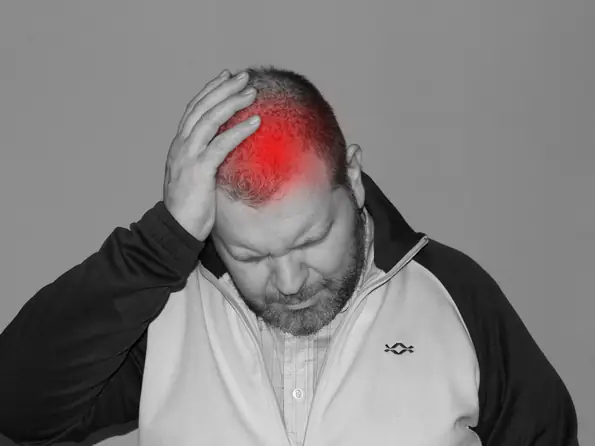
A mild traumatic brain injury — commonly called a concussion or mTBI — is one of the most misunderstood and undervalued injuries in California personal injury law. Because the damage does not show up on a standard X-ray and symptoms are often invisible to others, insurance companies routinely attempt to minimize or outright deny these claims.
- What Is a Mild Traumatic Brain Injury?
- Common Causes of Mild TBI in Fresno and the Central Valley
- Why Insurance Companies Fight Mild TBI Claims
- How Mild TBI Is Proven in a California Personal Injury Case
- What Is a Mild TBI Settlement Worth in California?
- What Damages Can a Fresno mTBI Victim Recover?
- The Insurance Company's First Offer Is Not Your Last Option
- How Comparative Negligence Affects mTBI Claims
- Statute of Limitations for mTBI Claims in Fresno
- Frequently Asked Questions — Mild TBI Settlements in California
What most injury victims do not realize is that a well-documented mild TBI claim in California can be worth substantially more than early settlement offers suggest. Understanding what drives settlement value, how these injuries are proven, and what damages you are entitled to recover is the first step toward protecting your claim.
What Is a Mild Traumatic Brain Injury?
A traumatic brain injury occurs when an external force causes the brain to move inside the skull — disrupting its normal function. Mild TBI is the most common classification and is typically defined by a brief loss of consciousness (less than 30 minutes), a period of confusion or disorientation, and post-traumatic amnesia lasting less than 24 hours.
Despite being classified as “mild,” these injuries are not minor. The word mild refers to the initial severity of the event — not the long-term consequences. Many mTBI victims experience symptoms that persist for weeks, months, or in some cases years after the initial injury. This condition, known as post-concussion syndrome, can significantly disrupt work, relationships, and quality of life.
Common symptoms of mild traumatic brain injury include:
- Persistent headaches and pressure in the head
- Dizziness and balance problems
- Cognitive fog — difficulty concentrating, thinking clearly, or following conversations
- Memory problems — difficulty retaining new information or recalling recent events
- Sleep disruption — insomnia or sleeping far more than usual
- Sensitivity to light and noise
- Mood changes — irritability, anxiety, depression
- Visual disturbances
- Fatigue disproportionate to activity level
When symptoms persist beyond the typical recovery window of a few weeks, the condition is classified as post-concussion syndrome — and the legal and economic consequences become substantially more serious.
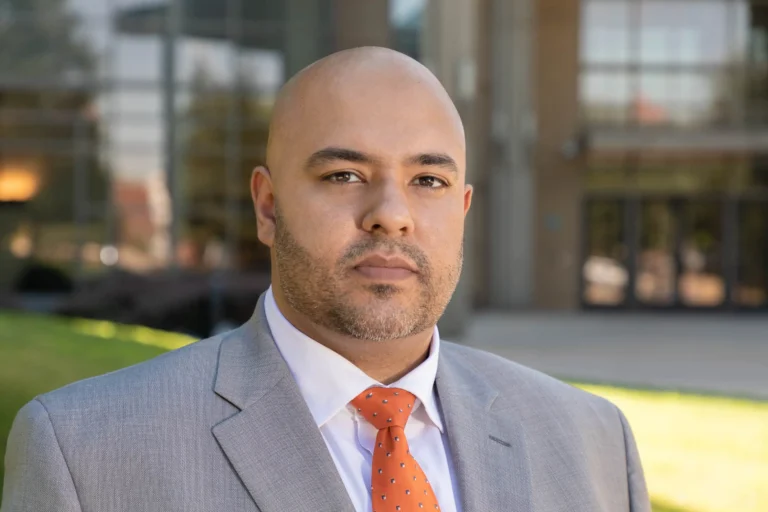
Your Attorney — Sarwinder Dhanjan
Sarwinder Dhanjan is the founding attorney of Dhanjan Injury Lawyer. He handles every case personally — you work directly with him from the first call through final resolution. Attorney Dhanjan is admitted to the State Bar of California and is active in Fresno County Superior Court.
Common Causes of Mild TBI in Fresno and the Central Valley
Mild traumatic brain injuries in Fresno most commonly result from vehicle collisions — the sudden deceleration forces involved in a crash cause the brain to move within the skull even when no direct head impact occurs. Common causes include:
Car accidents. Rear-end collisions, T-bone impacts, and head-on crashes are among the leading causes of mTBI in Fresno. The whiplash motion alone — even without hitting your head — can cause the brain to sustain injury. Our Fresno car accident lawyers see mTBI as one of the most frequently disputed injuries in vehicle collision claims.
Truck accidents. The force of a commercial truck collision is vastly greater than a standard car accident. Fresno truck accident victims who suffer mTBI often face more severe and prolonged symptoms because of the magnitude of the impact forces involved.
Motorcycle accidents. Even with a helmet, motorcycle accident victims are at high risk for mTBI. The rotational forces of a crash — not just direct impact — cause the brain injury. A helmet reduces the risk of skull fracture but does not fully prevent the brain’s movement inside the skull.
Pedestrian accidents. Fresno pedestrian accident victims struck by vehicles frequently suffer head injuries either from direct contact with the vehicle or from impact with the ground.
Bicycle accidents. Falls and collisions involving cyclists are a significant source of mTBI in Fresno. Our post on what you should know after a bicycle and car accident in Fresno covers the specific legal considerations that apply.
Slip and fall accidents. Falls on dangerous premises — wet floors, uneven pavement, unmarked hazards — frequently involve head impact and are a common cause of mTBI claims outside of vehicle collisions.
Many of these accidents occur at Fresno’s most dangerous intersections and high-traffic corridors. Our post on dangerous intersections in Fresno covers the locations where collision risk is highest in the city.
Why Insurance Companies Fight Mild TBI Claims
Mild traumatic brain injuries present a specific challenge in personal injury litigation: the injury is real, the symptoms are often debilitating, but the standard diagnostic imaging — CT scans and X-rays — frequently comes back normal. Insurance adjusters exploit this gap aggressively.
Common tactics used to minimize mTBI claims include:
- Arguing that because imaging was normal, there was no brain injury
- Claiming symptoms are pre-existing, exaggerated, or psychosomatic
- Pointing to gaps in treatment as evidence the injury was not serious
- Offering early, low settlements before the full extent of symptoms and long-term consequences is known
- Using recorded statements taken shortly after the accident — when cognitive symptoms may affect how a victim describes their condition — to minimize the claim
This is why the documentation strategy for an mTBI claim is fundamentally different from a standard soft tissue injury. And it is why retaining experienced legal representation before making any statements to the opposing insurer is critical.
Request a Free Consultation Today
Speak with an Attorney and understand your next steps
How Mild TBI Is Proven in a California Personal Injury Case
Winning an mTBI claim in California requires building a medical and evidentiary record that closes the gap between the injury’s invisible nature and its real, documented impact on your life. The most effective evidence includes:
Neuropsychological testing. Standardized cognitive testing by a neuropsychologist documents objective deficits in memory, processing speed, attention, and executive function. This testing produces measurable data that cannot be dismissed as subjective complaint.
Advanced neuroimaging. While standard CT and MRI scans often appear normal in mTBI, advanced imaging modalities — functional MRI (fMRI) and diffusion tensor imaging (DTI) — can detect axonal injuries and white matter changes invisible on standard scans. Expert radiologists and neurologists can interpret these findings for a jury.
Consistent medical treatment records. A continuous record of neurological follow-up, physical therapy, cognitive therapy, and specialist consultations documents that the injury was taken seriously and treated appropriately. Gaps in treatment undermine credibility.
A daily symptom journal. Contemporaneous daily entries documenting headache severity, cognitive difficulties, sleep disruption, and limitations on daily activities create a compelling, credible narrative of your recovery — or ongoing struggle. Start one immediately after your accident.
Testimony from family, friends, and coworkers. People who interact with you daily and can describe observable changes in your cognitive performance, personality, energy level, and ability to work are among the most persuasive witnesses in an mTBI case.
Vocational expert testimony. When mTBI symptoms affect your ability to work — reduced productivity, inability to focus, memory deficits that impair job performance — a vocational expert can document and quantify the economic impact.
What Is a Mild TBI Settlement Worth in California?
Settlement values for mild traumatic brain injury claims in California vary widely depending on the severity and persistence of symptoms, the quality of the medical documentation, and the available insurance coverage. Based on recent California case data:
- mTBI with full recovery within weeks: Tens of thousands of dollars to low six figures
- mTBI with post-concussion syndrome lasting months: $100,000 to $500,000 depending on documented economic losses and non-economic impact
- mTBI with prolonged or permanent symptoms: $700,000 to $1,200,000 and above, depending on cognitive impairment, work impact, and expert support
- mTBI in cases involving egregious conduct (drunk driving, commercial vehicle): Potentially higher, including punitive damages
These ranges reflect the wide spectrum of outcomes in mTBI litigation. The difference between a $50,000 settlement and a $500,000 settlement for the same initial injury diagnosis almost always comes down to the quality and completeness of the documentation — and the attorney’s preparation to take the case to trial.
Recent California verdicts in 2024 and 2025 show brain injury cases commanding some of the highest awards in personal injury litigation, with multiple verdicts ranging from $5 million to over $10 million in severe TBI cases. Even mild TBI cases with strong expert support and documented long-term consequences have produced mid-to-high six figure recoveries.
Request a Free Consultation Today
Speak with an Attorney and understand your next steps
What Damages Can a Fresno mTBI Victim Recover?
A successful mild TBI claim in Fresno can recover compensation across all categories of personal injury damages.
Medical expenses. Emergency department visits, CT and MRI scans, neurologist and neurosurgeon consultations, neuropsychological testing, physical therapy, cognitive rehabilitation therapy, occupational therapy, medications, and all future care reasonably anticipated given the injury.
Lost wages. Income lost during the recovery period when symptoms prevented you from working at full capacity or at all. For workers in cognitively demanding jobs — teachers, accountants, engineers, healthcare workers — even a mild TBI can cause significant wage loss.
Lost earning capacity. When mTBI causes persistent cognitive deficits that reduce your ability to perform your prior occupation or advance in your career, a vocational expert can quantify the long-term economic impact.
Pain and suffering. The physical pain of persistent headaches, the cognitive frustration of memory and concentration deficits, and the emotional toll of a life disrupted by an invisible injury all support substantial non-economic damages. Our post on pain and suffering damages in California explains how these damages are calculated and what drives their value.
Emotional distress. PTSD, depression, and anxiety following a traumatic accident are documented, compensable harms. Mental health treatment records and expert testimony support these claims.
Loss of enjoyment of life. If mTBI symptoms have prevented you from engaging in recreational activities, hobbies, exercise, or social relationships you previously participated in, those losses are compensable.
Wrongful death damages. In the most severe cases where a brain injury proves fatal, surviving family members can pursue a wrongful death claim through our Fresno wrongful death lawyers.
The Insurance Company’s First Offer Is Not Your Last Option
Insurance companies make early settlement offers on mTBI claims before your symptoms have fully developed, before you have undergone neuropsychological testing, and before your attorney has built the expert record that supports maximum value. These early offers routinely undervalue the claim — sometimes by hundreds of thousands of dollars.
Under California’s settlement process, you are not obligated to accept any offer. Once you sign a release, you permanently waive your right to seek additional compensation — even if your symptoms worsen or new consequences emerge. Never accept a settlement for an mTBI claim without first consulting an attorney and completing a full neuropsychological evaluation. Our post on the personal injury claim settlement process in California explains every stage of what happens after you retain representation.
How Comparative Negligence Affects mTBI Claims
California’s pure comparative negligence law applies to mTBI claims just as it does to any personal injury case. Insurance companies defending these claims frequently argue that the victim shares fault for the accident — reducing what the insurer owes by the assigned percentage.
In mTBI cases specifically, insurers also sometimes argue that prior head injuries or pre-existing conditions contributed to the symptoms — attempting to reduce the defendant’s liability on causation grounds rather than fault grounds. Your attorney must anticipate and counter both arguments with medical expert testimony. Read our full explanation of how California handles shared fault in our post on California’s comparative negligence law.
Statute of Limitations for mTBI Claims in Fresno
California’s statute of limitations for personal injury claims is two years from the date of the accident. For claims involving a government entity — a city vehicle, a dangerous road condition maintained by a public agency — you have only six months to file a government tort claim.
One important nuance in TBI cases is the discovery rule. If you did not know and could not reasonably have known that you suffered a brain injury until after the accident — because symptoms were initially dismissed or misdiagnosed — the statute of limitations may begin from the date of discovery rather than the date of the accident. An attorney can evaluate whether this exception applies to your situation.
Do not delay. Evidence is time-sensitive, witnesses move on, and the neuropsychological baseline established soon after the accident is far more valuable than one established a year later. For a complete breakdown of California’s injury claim deadlines, read our post on the personal injury statute of limitations in California.
Frequently Asked Questions — Mild TBI Settlements in California
How much is a mild traumatic brain injury worth in California?
It depends heavily on the persistence of symptoms, the quality of medical documentation, and the economic impact of the injury. mTBI cases with documented post-concussion syndrome lasting months can settle in the range of $100,000 to $500,000. Cases with prolonged or permanent cognitive symptoms, strong expert support, and documented work impact can reach $700,000 to $1,200,000 or higher. Early offers from insurance companies rarely reflect full value.
Can I recover compensation for a concussion if the imaging was normal?
Yes. Normal CT and MRI results do not mean there was no brain injury. Standard imaging does not detect the axonal injuries and white matter changes associated with mTBI. Advanced imaging, neuropsychological testing, and consistent medical documentation can establish the injury and its consequences independent of standard imaging results.
How long does an mTBI settlement take in California?
Most mTBI cases should not be settled until you reach maximum medical improvement — the point where your doctor can assess the full scope of your long-term symptoms. For mTBI with post-concussion syndrome, this may take six months to over a year. Cases that require litigation can take longer. Settling too early means settling before the full value of your claim is known.
What if the other driver’s insurance is not enough to cover my mTBI damages?
Your own underinsured motorist coverage may provide additional compensation above the at-fault driver’s policy limits. An attorney can review all available coverage sources — including your own policy — to maximize your total recovery.
Does California’s comparative negligence law affect my mTBI settlement?
Yes. If you are assigned a percentage of fault for the accident, your damages — including pain and suffering for the mTBI — are reduced proportionally. Insurance companies also sometimes argue that pre-existing conditions contributed to your symptoms. Both arguments require experienced legal counter-strategy to minimize their impact on your recovery.