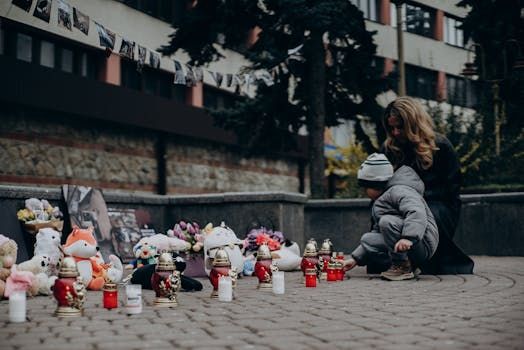
California law specifies exactly who has the legal right to file a wrongful death claim — and the list is more limited than most people assume. If you lost a family member to someone else’s negligence, understanding your eligibility before the deadline is critical to protecting your rights.
- The California Wrongful Death Statute
- Who Can File — The Primary Claimants
- Who Can File — Secondary Claimants
- Who Cannot File a Wrongful Death Claim in California
- The Requirement That All Eligible Claimants Join in One Action
- The Survival Action — A Separate Claim
- The Deadlines — Two Years and Six Months
- How Wrongful Death Damages Are Calculated in Fresno County
- Can an Undocumented Family Member File a Wrongful Death Claim in California?
- What Damages Can Be Recovered in a California Wrongful Death Claim?
- Wrongful Death Legal Resources in Fresno County
- Wrongful Death Claims in California — Frequently Asked Questions
The California Wrongful Death Statute
California Code of Civil Procedure section 377.60 governs who can bring a wrongful death action. The law creates a specific hierarchy of eligible plaintiffs — not everyone who grieves the loss of the decedent has the legal right to file a claim. Understanding that hierarchy determines whether you have a viable case and what you can recover.
Who Can File — The Primary Claimants
The following individuals have the right to file a wrongful death claim in California:
The surviving spouse or domestic partner. A legally married spouse or registered domestic partner of the decedent has the primary right to file a wrongful death claim. The relationship must have been legal at the time of death — a long-term romantic partner without a formal marriage or domestic partnership registration does not qualify under this category.
Surviving children. The decedent’s biological and legally adopted children have the right to file. This includes children from previous relationships. Children of the decedent who were conceived before death but born after — posthumous children — also qualify under California law.
Grandchildren (when the child is deceased). If a child of the decedent has also predeceased them, that child’s surviving children — the decedent’s grandchildren — may file in place of the deceased child.
Who Can File — Secondary Claimants
When there is no surviving spouse, domestic partner, or children, the following individuals may file:
Any person who was financially dependent on the decedent. This is the most expansive category and includes individuals who were not related by blood or marriage but who depended on the decedent for financial support. A parent who was financially supported by the decedent may qualify. A sibling who depended on the decedent for housing or income may qualify. The key is demonstrating actual financial dependence — not just emotional attachment.
Putative spouses. A putative spouse is someone who had a good-faith belief that they were legally married to the decedent, even if the marriage was technically invalid. California courts have recognized putative spouse status in wrongful death claims.
Stepchildren and parents. Minor stepchildren and parents who were financially dependent on the decedent may also qualify in the absence of primary claimants.
Who Cannot File a Wrongful Death Claim in California
Several categories of people frequently believe they have wrongful death claims but do not under California law:
Siblings, unless financially dependent. A sibling of the decedent who was not financially dependent on them does not have an independent right to file a wrongful death claim — regardless of the closeness of the relationship.
Unmarried long-term partners. A person who lived with the decedent for years but was never legally married or registered as a domestic partner does not qualify as a primary claimant. They may qualify as financially dependent if they can demonstrate actual financial dependence.
Cousins, aunts, uncles, nieces, nephews. These more distant relatives have no wrongful death standing under California law unless they can demonstrate financial dependence.
Close friends. Regardless of how close the friendship was, friends have no right to file a wrongful death claim in California.
The Requirement That All Eligible Claimants Join in One Action
California law requires that all eligible wrongful death claimants join in a single action. If there are multiple eligible claimants — for example, a surviving spouse and three children — they must all be parties to the same lawsuit. A claimant who is left out of the original action may be barred from bringing a separate claim later.
This rule has important practical implications: identifying all eligible claimants at the outset of the case is essential to avoid procedural complications that can delay or compromise the recovery. An attorney who handles the case from the beginning can ensure that all eligible family members are properly included and that no claimant is inadvertently left out.
The Survival Action — A Separate Claim
The wrongful death claim compensates surviving family members for their losses going forward — the loss of financial support, household services, and non-economic losses like companionship and moral guidance. A separate but related claim — the survival action under California Code of Civil Procedure section 377.30 — recovers what the decedent suffered before death: pre-death medical expenses, pain and suffering, and lost earnings during the period between the accident and death.
The survival action belongs to the decedent’s estate, not to the individual family members. It is filed by the personal representative of the estate and the recovery goes to the estate — where it is then distributed according to the will or California intestate succession law. Both the wrongful death claim and the survival action should be filed simultaneously to maximize the total recovery available to the family.
The Deadlines — Two Years and Six Months
California Code of Civil Procedure section 335.1 gives wrongful death claimants two years from the date of death to file a lawsuit. Missing this deadline permanently bars the claim. However, when a government entity was responsible for the death — a government vehicle, a dangerous road condition maintained by a public agency, or a government employee’s negligent act — the Government Claims Act requires a formal written claim within six months of the date of death. Missing the six-month government deadline bars the government liability claim even if the two-year statute hasn’t run.
In the Central Valley, government liability is more common than many people realize — Caltrans maintains the highway corridors where many fatal accidents occur, city and county vehicles are on the roads, and government-operated facilities sometimes produce fatal injuries. Any fatal accident that may involve government responsibility should be investigated immediately, and government claims should be filed protectively even before liability is fully established.
How Wrongful Death Damages Are Calculated in Fresno County
Wrongful death damages in California include: the financial support the decedent would have provided to surviving family members over their expected working life; the household services the decedent performed and would have continued to perform; funeral and burial expenses; and non-economic damages for the loss of the decedent’s love, companionship, comfort, care, assistance, protection, affection, society, and moral support.
For families in the Central Valley where agricultural work, logistics, and service industry employment are common, the economic calculation requires understanding the specific income patterns of agricultural employment — seasonal income, piece-rate pay structures, and the contributions that may not appear on a W-2 but were real financial support to the family. A forensic economist who understands the Central Valley labor market produces more accurate and defensible damages calculations than one who applies national averages.
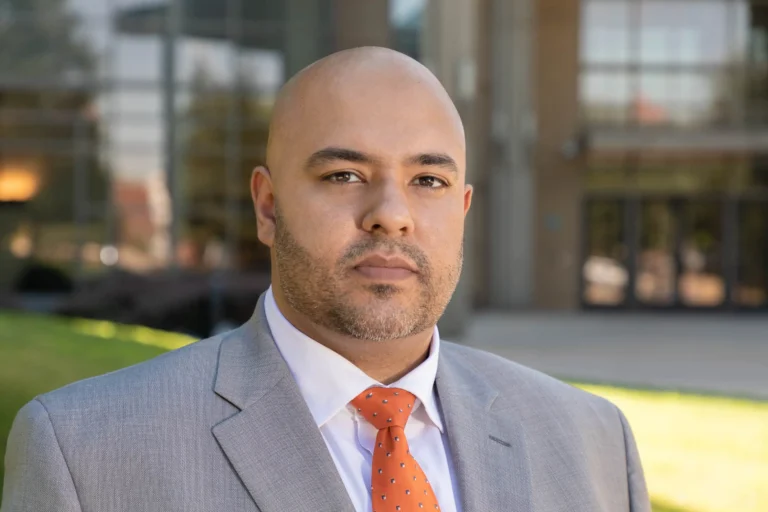
Your Attorney — Sarwinder Dhanjan
Sarwinder Dhanjan is the founding attorney of Dhanjan Injury Lawyer. He handles every case personally — you work directly with him from the first call through final resolution. Attorney Dhanjan is admitted to the State Bar of California and is active in Fresno County Superior Court.
Can an Undocumented Family Member File a Wrongful Death Claim in California?
Yes — and this is one of the most important gaps in the information available to families in the Central Valley. Under California law, immigration status does not affect the right to file a wrongful death claim. California courts have consistently held that undocumented individuals have full access to the civil courts to seek compensation for personal injuries and wrongful death. The liability analysis, the damages calculation, and the right to a jury trial are all available regardless of the decedent’s or the claimant’s immigration status.
For the agricultural and service industry families of the Central Valley — where the workforce includes many members whose immigration status is uncertain — this legal reality is not well known. Insurance carriers and defense attorneys are aware of it, but they do not volunteer the information to unrepresented families. Dhanjan Injury Lawyer represents families of all backgrounds and immigration statuses in wrongful death claims throughout Fresno County and the surrounding Central Valley.
What Damages Can Be Recovered in a California Wrongful Death Claim?
The damages in a California wrongful death claim include: the financial support the decedent would have provided to surviving family members over their projected working life; the monetary value of household services the decedent performed; funeral and burial expenses; and non-economic damages for the loss of the decedent’s love, companionship, comfort, care, assistance, protection, affection, society, and moral support. California does not cap these non-economic damages in negligence-based wrongful death cases, which means the jury determines the appropriate compensation based on the specific evidence presented about the family’s loss.
Wrongful Death Legal Resources in Fresno County
For city-specific wrongful death legal resources in Fresno County and the surrounding Central Valley, see our dedicated pages: Fresno Wrongful Death Lawyer, Clovis Wrongful Death Lawyer, Madera Wrongful Death Lawyer, Selma Wrongful Death Lawyer, Visalia Wrongful Death Lawyer, and Sanger Wrongful Death Lawyer. For a statewide overview of wrongful death law in California, see our California Wrongful Death Lawyer page. If your case involves a fatal car accident, our Fresno Car Accident Lawyer page covers the auto accident liability framework that frequently underlies wrongful death claims.
Lost a Family Member to Someone's Negligence? Talk to an Attorney Today.
The deadline may be shorter than you think. Free case evaluation with Attorney Sarwinder Dhanjan. No fee unless we win.
Wrongful Death Claims in California — Frequently Asked Questions
Can I file a wrongful death claim if I wasn’t legally married to the decedent?
Not as a primary claimant based on the relationship. However, if you were financially dependent on the decedent, you may qualify as a secondary claimant. The analysis depends on demonstrating actual financial dependence, not just an emotional relationship.
What is the difference between a wrongful death claim and a survival action?
The wrongful death claim compensates surviving family members for their ongoing losses — lost financial support, companionship, and moral guidance. The survival action recovers what the decedent suffered before death — pre-death medical expenses, pain and suffering. Both are filed simultaneously to maximize total recovery.
How long do I have to file a wrongful death claim in California?
Two years from the date of death for most claims. Six months from the date of death if a government entity was responsible — this shorter deadline applies to claims against cities, counties, the state, or other public agencies.
Can multiple family members file separate wrongful death claims?
No. California law requires all eligible claimants to join in a single action. Separate lawsuits by different family members are not permitted. Identifying all eligible claimants at the start of the case is essential.
Does the at-fault party’s criminal case affect the wrongful death civil claim?
No. The criminal case and the civil wrongful death claim are separate proceedings with different standards of proof. A criminal acquittal does not bar the civil wrongful death claim — the civil standard is “preponderance of the evidence,” not “beyond a reasonable doubt.” In fact, a criminal conviction can be used as evidence in the civil case.