Traumatic brain injury is the most frequently undervalued personal injury category in California — because the injury is often invisible on standard imaging, misunderstood by insurance adjusters, and difficult to communicate to juries. Understanding how TBI cases are actually valued is the first step to ensuring yours isn’t undervalued.
- Why TBI Cases Are Frequently Undervalued
- TBI Settlement Ranges by Severity
- The Key Evidence That Determines TBI Settlement Value
- The Carrier Defenses in TBI Cases — And How to Counter Them
- TBI and the Agricultural Workforce in the Central Valley
- TBI Settlement Ranges by Severity — California 2026
- Are TBI Settlements Taxable in California?
- TBI Settlements in California — Frequently Asked Questions
Why TBI Cases Are Frequently Undervalued
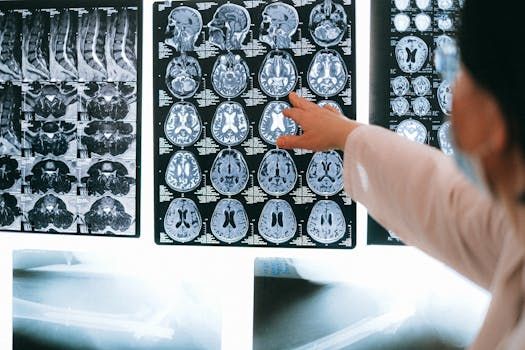
Most personal injury cases are valued based on what can be seen and measured: X-rays showing fractures, surgical records documenting interventions, physical therapy records demonstrating the injury’s impact. Traumatic brain injury cases resist this framework. The most common form of TBI — diffuse axonal injury and microstructural brain damage from deceleration forces — is invisible on standard CT imaging and may not appear clearly even on MRI. An insurance adjuster who receives a CT report saying “no acute abnormality” has their preferred justification for a low settlement offer.
The medical and legal response to this challenge is specialized documentation. Diffusion tensor imaging (DTI), a specialized MRI technique, can detect white matter tract damage that standard imaging misses. Neuropsychological testing produces objective cognitive performance data — processing speed, memory, attention, executive function — that directly quantifies the functional impact of TBI on the specific person’s daily life and employment capacity. Expert neurologist and neuropsychologist testimony translates these findings into terms that insurance adjusters must confront and juries can understand.
TBI cases handled without this specialized documentation are the cases that settle far below their actual value. TBI cases with complete specialized medical documentation and retained expert witnesses settle at their full potential value — or proceed to trial where a properly educated jury can assess them correctly.
TBI Settlement Ranges by Severity
TBI exists on a spectrum from mild concussion to catastrophic brain damage. Settlement value tracks that spectrum:
Mild TBI (concussion that resolves within weeks): $25,000 to $100,000. These cases settle based primarily on medical treatment costs, documented symptoms, and lost wages during recovery. Without permanent deficits, the damages are contained.
Mild TBI with persistent symptoms (post-concussion syndrome): $100,000 to $500,000. When concussion symptoms — headaches, cognitive difficulties, sleep disruption, personality changes — persist beyond the expected recovery window, the case involves documented ongoing impairment. Neuropsychological testing establishing objective cognitive deficits is the critical documentation.
Moderate TBI: $300,000 to $1.5 million. Moderate TBI frequently involves loss of consciousness, post-traumatic amnesia, and cognitive deficits that significantly affect employment and daily function. Life care plans and forensic economic analysis are standard components of the damages case.
Severe TBI: $1 million to $5 million or more. Severe TBI may produce permanent cognitive and physical disability requiring extensive long-term care. Life care plans projecting lifetime care costs, forensic economic analysis of lost earning capacity, and the full range of expert testimony are required to develop these cases to their full value.
The Key Evidence That Determines TBI Settlement Value
Neuropsychological testing. Formal neuropsychological evaluation with standardized cognitive tests and symptom validity measures produces objective data about processing speed, memory, attention, language, and executive function — the cognitive domains most commonly affected by TBI. This testing is the foundation of the damages case for any TBI claim where cognitive deficits are a component of the injury. Without it, carriers can dismiss cognitive symptoms as subjective and unverifiable.
Advanced imaging. Standard CT and MRI may not detect microstructural brain damage. DTI and functional MRI can detect abnormalities in white matter tracts and brain activity patterns that correlate with the patient’s reported cognitive deficits. This imaging converts a “subjective symptom” case into an objectively documented injury case — with corresponding effect on settlement value.
Expert neurologist or neuropsychologist testimony. A qualified expert who can explain the relationship between the accident mechanism, the brain injury, and the documented cognitive deficits — in terms that an insurance adjuster can understand during negotiation and a jury can understand during trial — is the difference between a TBI case valued at its full potential and one that settles as a “headache case.”
Vocational rehabilitation expert. For working people with TBI, the most significant damages are often the vocational losses — the jobs they can no longer perform, the promotions they can no longer achieve, the career they had planned that is no longer available to them. A vocational expert who analyzes the specific cognitive demands of the claimant’s prior employment and translates the neuropsychological test results into concrete employability limitations produces the lost earning capacity analysis that insurers must address in settlement negotiations.
The Carrier Defenses in TBI Cases — And How to Counter Them
“Your CT scan was normal.” Standard CT does not detect diffuse axonal injury or microstructural brain damage. A normal CT does not mean no brain injury occurred. The counter is specialized imaging (DTI) and neuropsychological testing that documents what the CT missed.
“Your symptoms are subjective.” Neuropsychological testing produces objective performance data on standardized tests with normative populations. When the claimant performs at the 10th percentile on processing speed tests administered by a PhD neuropsychologist with validated symptom validity measures, those results are not subjective — they are quantified deficits documented by a qualified expert.
“You had a pre-existing condition.” Pre-existing conditions — prior head injuries, depression, ADHD — are frequently raised by carriers in TBI cases. The “eggshell skull” doctrine in California imposes full liability for the aggravation of pre-existing conditions: a defendant takes the plaintiff as they find them. Prior imaging and records that establish baseline cognitive function before the accident can document that the TBI produced a measurable decline from that baseline, regardless of pre-existing vulnerabilities.
“You didn’t treat consistently.” Gaps in treatment are used by carriers to argue that TBI symptoms were not serious. The counter is both medical and legal: consistent neurological follow-up, documentation of the reasons for any treatment gaps, and evidence that the claimant made good-faith efforts to access care within their means.
TBI and the Agricultural Workforce in the Central Valley
Agricultural employment in the Central Valley involves sustained attention, spatial judgment, equipment operation competency, and physical endurance — cognitive and physical demands that a TBI can eliminate. For a farmworker in Fresno whose job requires operating harvest equipment, monitoring crop conditions, and managing irrigation systems, a TBI that produces processing speed deficits and memory impairment can end their career in ways that generic “office worker” vocational analyses fail to capture.
Dhanjan Injury Lawyer retains vocational experts with specific knowledge of the Central Valley agricultural labor market when TBI cases involve agricultural workers. The expert analysis translates the neuropsychological findings into the specific employment context of each individual client — because generic vocational analyses routinely undervalue lost earning capacity for agricultural workers.
For more on TBI settlements in California, see our related post on mild traumatic brain injury settlements in California. For city-specific TBI legal resources in Fresno County, see our Fresno TBI Lawyer page.
Your Attorney — Sarwinder Dhanjan
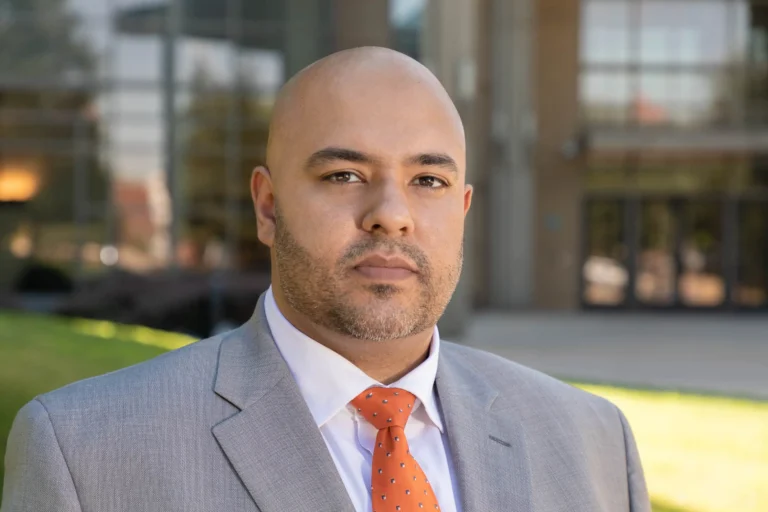
Sarwinder Dhanjan is the founding attorney of Dhanjan Injury Lawyer. He handles every case personally — you work directly with him from the first call through final resolution. Attorney Dhanjan is admitted to the State Bar of California and is active in Fresno County Superior Court.
TBI Settlement Ranges by Severity — California 2026
Traumatic brain injury settlements in California vary significantly by severity classification. Here are current market ranges:
| TBI Severity | Typical Range | Key Documentation |
|---|---|---|
| Mild TBI / Concussion (full recovery) | $20,000 – $150,000 | Medical records, documented symptoms, lost wages |
| Mild TBI with persistent symptoms | $100,000 – $500,000 | Neuropsychological testing, expert testimony |
| Moderate TBI | $250,000 – $1.5M | DTI imaging, vocational expert, life care plan |
| Severe TBI | $1M – $5M+ | Full expert team, lifetime care projection |
| Catastrophic TBI (permanent severe disability) | $5M – $15M+ | Institutional care costs, attendant care lifetime |
These ranges reflect current California market data. Individual case values depend on documented damages, available insurance coverage, comparative fault, and the completeness of expert witness documentation. No TBI case should be settled without complete neuropsychological testing and expert damages analysis.
Are TBI Settlements Taxable in California?
Generally, personal injury settlements for physical injuries — including TBI — are excluded from federal gross income under IRC Section 104 and are not taxable. Punitive damages are taxable. Lost wages damages in excess of the employer’s sick pay are sometimes taxable. The tax treatment of your specific settlement depends on how the settlement is structured and documented. Consult a tax professional for guidance on your specific settlement allocation.
Suffered a Brain Injury? Get a Free Case Evaluation with a TBI Attorney.
Most TBI cases are undervalued without specialized documentation. No fee unless we win. Call (559) 342-2000.
TBI Settlements in California — Frequently Asked Questions
Does a normal CT scan mean I don’t have a TBI?
No. Standard CT imaging detects acute bleeding but cannot detect diffuse axonal injury or microstructural brain damage. A normal CT after a high-impact accident does not rule out TBI. Advanced imaging (DTI) and neuropsychological testing are needed to fully evaluate brain injury status.
What is neuropsychological testing and why does it matter for TBI cases?
Neuropsychological testing administers standardized cognitive tests — measuring processing speed, memory, attention, and executive function — and compares the results to normative populations. It produces objective performance data that quantifies cognitive deficits and cannot be dismissed as purely subjective symptoms. It is the single most important diagnostic evidence in TBI cases.
How long does a TBI case take to settle in California?
Mild TBI cases that resolve: 3 to 12 months. Persistent post-concussion syndrome: 1 to 2 years. Moderate to severe TBI: 2 to 4 years. The timeline is driven by when maximum medical improvement is reached and how fully the damages can be documented through specialized testing and expert analysis.
Can I recover for cognitive symptoms that don’t show on imaging?
Yes — if they are properly documented through neuropsychological testing and expert testimony. Cognitive symptoms that are documented only by patient report are vulnerable to carrier attack as subjective. Cognitive symptoms documented through objective neuropsychological testing are not.
What if the insurance company says my pre-existing conditions caused my cognitive symptoms?
California’s eggshell skull doctrine imposes liability for the aggravation of pre-existing conditions. Pre-accident baseline documentation — prior medical records, prior neuropsychological data if available — establishes the difference between the claimant’s cognitive function before and after the accident, documenting the TBI’s contribution regardless of pre-existing vulnerabilities.